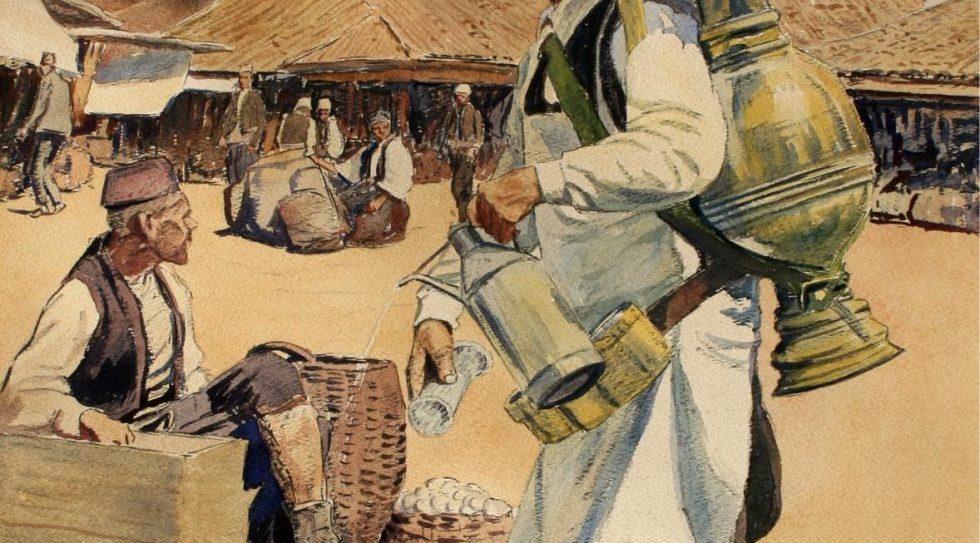
Boza is a traditional, mildly fermented beverage that has been consumed for centuries in Sarajevo and the wider Ottoman cultural sphere. It was prepared from corn flour, yeast, sugar, and water, and was known for its thick texture and distinctive sweet-and-sour taste. Considered a nourishing and restorative drink, It was popular during the summer months because it helped cool the body.
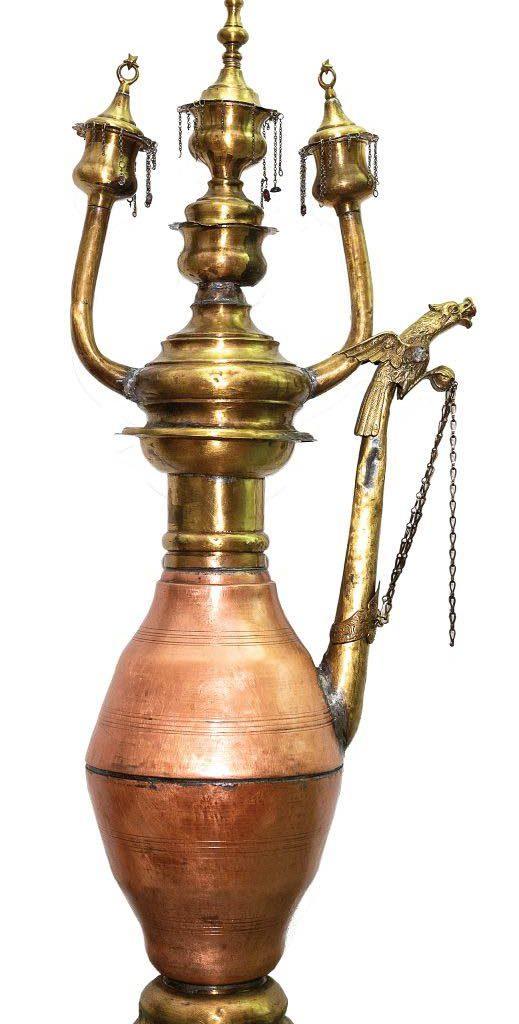
During the Ottoman period, boza was sold throughout Sarajevo’s neighbourhoods by boza sellers (bozadžije)—craftsmen who carried this drink in special vessels and offered it to passers-by. The photograph shows a boza jug (bozadžijski ibrik), a characteristic container used to store and pour boza, now a valuable museum witness to everyday life and dietary habits of the past.
The displayed jug is exhibited at Brusa Bezistan as part of the permanent exhibition of the Museum of Sarajevo.
That this craft could be highly profitable is illustrated by the example of Hadži Hasan the boza seller, who invested the wealth he had earned in 1585 in the construction of a mosque in Logavina Street. Preserved to this day, this mosque serves as a reminder of how a modest urban trade could grow into a lasting waqf and an integral part of Sarajevo’s urban and cultural heritage.
Boza was once an everyday part of life in Sarajevo — and today ?
Do you still drink it, or has it become merely a memory preserved in a museum display?