Within its Oriental Collection, the Museum of Sarajevo preserves valuable archival material belonging to the Čatić family, renowned Sarajevo kazaz artisans.
Kazaz craftsmen, also known as passementerie makers, created richly decorated elements for traditional costumes, as well as decorative items for horse equipment—objects that once symbolized prestige and exceptional craftsmanship.
The Čatić family’s kazaz shop was part of the Museum of Sarajevo’s permanent exhibition from 1981 to 1992. Although the shop was later returned to its owners, a portion of the original artifacts has been preserved within the museum’s collections.
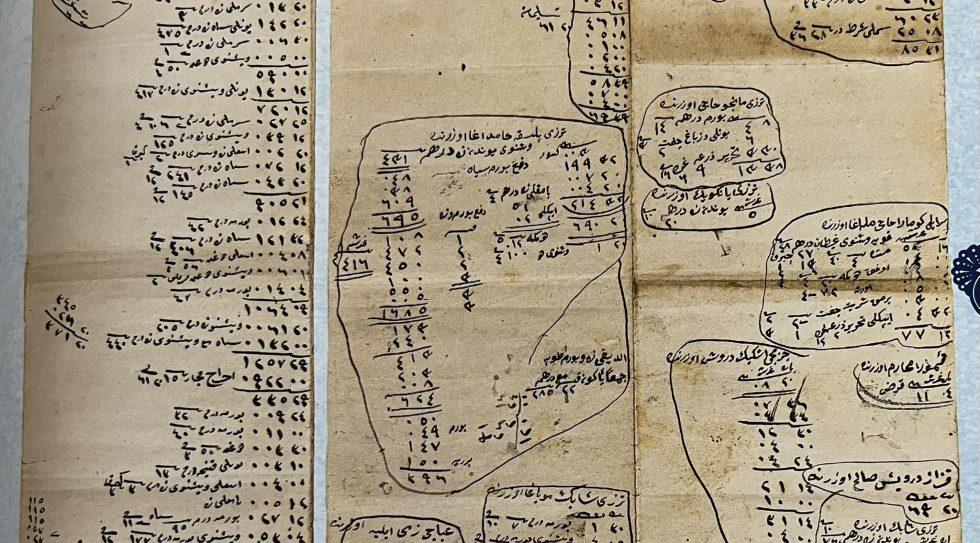
Of particular importance are 44 defters (trade ledgers) and 26 documents that testify to the work of this artisan family. The defters date from 1827 to 1888 and were written in Ottoman Turkish using the Arabic script.
This material represents not only a record of trade, but also a valuable insight into everyday life, craftsmanship, and the cultural history of Sarajevo in the 19th century.